
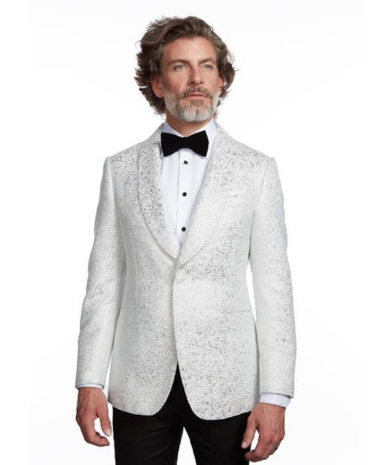
A truly tailored suit is cut precisely to your body, ensuring comfort and confidence. At DonMorphy, every suit is tailored to drape you in elegance that is as unique as your signature”. This level of craftsmanship, measuring shoulder width, chest, waist, sleeve and jacket length, trouser break, and even accounting for your posture, lets you wear clothing that feels custom rather than forced on. As one guide notes, “the key to a well-fitting suit is the proper measurements,” since a precise fit looks better and feels more comfortable. In practice, this means each tailored suit creates clean lines and balanced proportions from every angle. A well-cut suit doesn’t pinch or billow; instead it moves naturally with you.
Why Men’s Tailored Suits Are Worth the Investment
Tailored suits are built around your body shape rather than a one-size-fits-all pattern. Off-the-rack suits use standard sizes and often require alterations, whereas a custom or made-to-measure garment is cut from a pattern that’s adjusted to you. This makes a dramatic difference: off-the-rack jackets can feel tight in the shoulders or loose in the waist, but tailored jackets should sit just right. As one style guide puts it, “A suit tailored to your body will always look better than an expensive one that isn’t”. In practical terms, a great fit means no tugging at your sleeves or waist and nothing distracting you from the moment. Properly fitted clothing often leads to longer wear and higher satisfaction – people tend to keep and confidently wear garments that fit well.
- Better movement and comfort: Made-to-measure suits allow for extra ease at pressure points so you can reach and move naturally, whereas ready-made suits often feel too tight or too loose in places.
- Polished appearance: Tailored suits create a cleaner silhouette without excess fabric or strain. As one expert notes, focus on “a clean line through the body,” because nothing projects confidence like a suit that feels made for you.
- Durability: Custom suits often use higher-quality construction (full canvasing, hand stitching) and last longer since they fit properly from the start. With proper care, a well-made wool suit can stay in shape and wear for years.
- Personalization: Tailors can adjust fabric choice and details to your lifestyle (see sections below). The result is a piece of clothing that truly reflects you, not just a name on a label.
The Difference Between Tailored and Off-the-Rack Suits
Tailoring isn’t just “alterations after the fact”, it’s a whole different approach. Off-the-rack suits are produced en masse and optimized for speed, not perfection. In contrast, every tailored suit starts with dozens of measurements and adjustment rounds (even accounting for posture, one shoulder slope vs. the other, etc.). This creates clean, balanced proportions without the stiffness or sagging you sometimes see when a cheap suit is forced to fit. One made-to-measure specialist explains that their process “accounts for around two dozen body measurements plus up to 45 adjustments for posture, slope, and physical quirks,” giving more control over the final look than a basic alteration.
Why Fit Matters More Than Brand Labels
The label inside your jacket matters far less than how the suit actually fits you. In fact, style experts emphasize fit above all else. As one key takeaway for formal dressing notes, “nothing projects confidence like a suit that feels made for you”. An expensive designer suit loses its appeal if it puckers or pinches. By contrast, a modestly-priced suit that is cut precisely can make you look taller, slimmer, and more put-together. A few examples of what good fit does:
- Creates a slimmer silhouette: A fitted jacket nips in at the waist and smooths over the body. It visually slims the torso.
- Balances the shoulders: Proper shoulder fit means the jacket’s natural line follows yours. Wide, boxy shoulder lines make you look smaller; narrow sloped shoulders can make you look hunched. A tailored jacket aligns with your frame.
- Improves posture and leg length: A jacket that’s the right length and sleeve length keeps your stance straight. A well-cut trouser break (where the pant leg hits your shoe) can make your legs look longer.
- Boosts confidence: When you know your suit fits just right, you carry yourself differently. You’re not constantly adjusting or self-conscious. Research finds people wearing formal attire report feeling more competent and confident.
No logo can replace good tailoring. Remember that coats of arms or designer names matter less than the day-to-day effect of comfort and confidence.
Choosing the Right Fabric
Fabric choice is as important as cutting. The material affects how your suit feels, drapes, and performs in different conditions. Here are some popular options:
- Wool: The classic suit fabric. Wool is prized for its natural breathability and drape. A good-quality wool suit will breathe in warm weather and insulate in cool weather, making it versatile year-round. Fine wools (like worsted or tropical wool) resist wrinkles and hang elegantly on the body. As one style resource explains, “Wool is the better suit fabric for most occasions, more breathable, better draped, and longer-lasting,” which is why it’s the standard for formal and frequent wear.
- Linen: Made from flax fibers with an open weave, linen is lightweight and highly breathable, perfect for hot weather. It lets body heat escape and wicks moisture, keeping you cool. Linen does wrinkle easily, but that creased look is often seen as a relaxed, stylish aesthetic. (If you want less wrinkles, consider a linen blend.)
- Cotton: A comfortable everyday choice. Cotton suits are soft, breathable, and easy to care for. They’re lighter than wool and can be machine-washed in a pinch. Cotton drapes well and is ideal for casual to business-casual settings. It’s great for spring and summer suits, but tends to wrinkle more than wool.
- Velvet: A bold choice for evening and festive occasions. Velvet has a rich appearance and soft nap that catches light in captivating ways. It’s heavier and warmer, so it’s usually reserved for fall and winter evenings. As one style guide notes, velvet suits “perform best after dark” under chandelier or candlelight. The deep colors of velvet and its luxurious feel make it “the fabric of power and occasion,” historically linked to wealth and formal events. A well-tailored velvet jacket can serve as an eye-catching alternative to a tuxedo at a black-tie optional event.
Choosing a good suit fabric means matching the material to the climate and occasion. Wool (especially lightweight wool) is generally the most versatile; linen or cotton are smart picks for hot-weather suits; and velvet or heavy wool for evening formality. Always check fabric weight and blend: tropical wools exist for summer, and a slight stretch blend in wool or cotton can add comfort.
Personalization Makes Every Suit Unique
One of the biggest perks of a tailored suit is customization. You can pick virtually every detail to suit your taste:
- Jacket style & lapels: Choose single-breasted (classic) or double-breasted. Add a waistcoat for a three-piece. Lapel shape is crucial: notch lapels are versatile and understated, peak lapels are more formal and add width to the chest, and shawl collars (smooth, rounded) are reserved for tuxedos or very formal jackets. You can also select lapel width (narrow vs. wide) to match contemporary or vintage styles.
- Sleeve details: Opt for working sleeve buttons (so-called surgeon’s cuffs). These functional buttonholes (usually 3–4 buttons per sleeve) are a mark of high craftsmanship.
- Buttons & pockets: Decide on the number of buttons on the front (one, two, or three) and their placement. Trousers can have flat-front or pleated fronts: flat-front pants give a slim look, whereas pleats (single or double) add ease around the hips (useful if you need more room when sitting). You can skip belt loops and add side-adjuster tabs (small fabric buckles) for a clean look – one tailor notes that side-adjusters are “less bulky than a belt”. Finally, choose trouser cuffs or hem style (cuffs add weight to drape the leg; no cuff is sleeker).
- Interior details: This is where you can get creative. Pick your lining fabric and pattern – e.g., silk, Bemberg (rayon), or a fun printed fabric. You might match the lining to your suit or go bold with a contrasting color or whimsical print. Many custom shops offer monogramming of your initials on the inside or even hidden pockets and contrast stitching for a personal touch.
- Functional options: Hidden pockets (for phone or glasses), ticket pockets, canvas chest pieces (for structure), and even fabric choices for buttons (horn, corozo, horn, mother-of-pearl) can all be specified.
In short, every aspect, from peak vs. notch lapels to pleated vs. flat-front trousers, from fabric lining to monogramming, can be tailored to your preferences. Small details like a colorful lining or surgeon’s cuffs often make the biggest impression on someone who notices.
Buying Men’s Suits Online Without Compromising Quality
Shopping for custom suits online has come a long way. Modern MTM (made-to-measure) services combine technology and human oversight to get the fit right. To do it successfully:
- Accurate measurements: Follow the retailer’s measurement guide carefully. A leading men’s style site emphasizes that “having the right measurements is key” to a well-fitting suit. Use a proper soft measuring tape, wear the right clothing (dress shirt and shoes), and stand naturally. Many companies provide step-by-step tutorials or virtual consultations. Some even have apps/AI try-ons, but experts suggest it’s safer to get actual tape measurements (with help if needed) and double-check the numbers.
- Customization options: Make sure the site clearly lets you choose fabrics, lapel styles, buttons, pockets, etc. A good online MTM platform “accounts for around two dozen body measurements plus up to 45 adjustments for posture, slope, and physical quirks,” giving you more control than a simple tailor’s visit.
- Fabric information: Look for detailed descriptions of fabrics (fiber content, weight, weave) and swatches. Reliable sellers often let you order fabric samples or will send photos. Knowing what you’re paying for (e.g. 100% wool vs. a poly blend) prevents disappointment.
- Fit guarantees and return policies: Check if the retailer offers a fit guarantee. For example, one custom menswear review notes that many online MTM shops will remake or alter your suit if the first try isn’t perfect. Transparent return/exchange policies are also crucial when you can’t try things on in person.
- Customer support and reviews: Read customer reviews, and use any live chat or consultation services the company offers. Experienced customer service can help resolve questions about sizing or style. It’s much better to clarify any doubts before you order a suit.
In short, treat buying a suit online like a project: measure carefully, use the tools they provide, and choose a reputable seller with good support. Do your homework on sizing guidelines so you’re not just guessing your usual jacket size. With these steps, you can achieve a great fit even without visiting a store.
When Should You Choose a Tailored Suit?
Tailored suits shine wherever you need to look your best. Popular occasions include:
- Weddings and formal events: Whether you’re the groom, a groomsman, or a guest at a black-tie wedding, a custom suit (or tuxedo) is ideal. It ensures you stand out without upstaging the dress code.
- Business and work: For important meetings, presentations, or interviews, a well-fitting suit signals professionalism. Many executives build a core wardrobe of a few navy, charcoal, and black suits because the fit and quality give more confidence than a closet of mediocre off-the-rack pieces.
- Job interviews: First impressions count. A tailored suit can help you feel poised and leave a polished image.
- Ceremonies and celebrations: From graduation ceremonies to award dinners, any time you want to appear sharp and memorable, a custom suit is worth it. Even semi-formal social events or parties (engagements, milestone birthdays, holiday gatherings) are great chances to wear a standout suit.
- Evening events: As noted, rich fabrics like velvet or patterned wool are especially fitting after dark. A tailored velvet dinner jacket or a deep navy three-piece can be perfect for galas, theatre premieres, or festive holiday parties.
You don’t need ten suits, but invest in the right ones. A navy and a charcoal gray wool suit cover most business and formal needs. Add a black wool suit if you often attend very formal black-tie events. Over time you can expand, perhaps a bold tweed or patterned blazer, or a light-colored linen suit for summer. With each new suit, rely on your basic color foundation and a good tailor to ensure cohesion in your wardrobe.
How to Make Your Tailored Suit Last Longer
A custom suit is an investment, treat it well and it will reward you for years. Key care habits:
- After wearing: Always brush off lint and dust with a proper clothes brush or lint roller. Empty your pockets to avoid distortion and stains. Hang the jacket immediately on a broad, padded or wooden hanger (preferably one shaped for shoulders), never on a thin wire hanger. Let it breathe, unzip trousers (if any), and hang them by the waistband so creases fall out.
- Let it rest: Don’t wear the same suit two days in a row. Experts advise waiting at least 24–48 hours before re-wearing the same jacket or trousers. Resting allows the natural fibers (especially wool) to return to shape and any moisture (perspiration) to evaporate. A few hours or a day of air (even hanging in a steamy bathroom during your shower) will do wonders to freshen out light wrinkles and odors.
- Cleaning: Only dry-clean your suit when truly necessary. Over-cleaning can damage fibers and fade colors. In fact, many tailors recommend spot-cleaning small stains yourself and using dry cleaning sparingly. When you do dry-clean, try to do the jacket and pants together so they age evenly, and limit it to 2–3 times a year at most. Use a steamer (not an iron) to remove minor wrinkles between wears – steaming also deodorizes and gently refreshes the fabric.
- Storage: Store suits in a cool, dry closet with plenty of space. Use a breathable garment bag (cotton or canvas) rather than plastic, which can trap moisture and cause mildew. Keep jackets buttoned (when hanging) so they maintain their shape. Avoid cramped closets – ideally each suit hangs without being crushed by others.
- Brushing and airing: For wool suits, regular brushing with a soft-bristled (e.g. boar hair) brush helps lift dirt and restore nap. After prolonged storage or travel, give your suit a gentle airing.
Following these steps, brush after each wear, rotate suits, rest them, and store properly, will keep the fabric and lining in top condition. A well-cared-for wool suit can look sharp for decades, whereas negligence can ruin even an expensive custom garment.
Building a Smart Suit Collection
You don’t need dozens of suits to look well-dressed; you need a smart foundation and quality pieces. Style experts recommend starting with two versatile suits in neutral colors. For example, navy and charcoal gray wool suits cover nearly every business and formal scenario. These can be worn interchangeably and paired with various shirts and ties. A classic black suit (in fine wool) is next for strictly formal events or funerals. Later, add a lighter gray or a seasonal option (like tan or light wool for summer).
Once the basics are set, you can incorporate variety: a textured navy flannel or tweed, a pattern (e.g. subtle plaid), or a bold tuxedo jacket. But focus first on fit and fabric quality. Ten cheap, ill-fitting suits won’t do as much for your image as three well-made, perfectly fitted ones. Quality over quantity is the rule.
Why More Men Are Choosing DonMorphy
Finding just any suit is easy; finding one that truly fits and lasts is not. DonMorphy specializes in craftsmanship and personalization. Every detail, from the luxurious woolen fabric to the stitching and buttonholes, is selected to give you the perfect balance of comfort and style. As the company says, each DonMorphy suit is “a testament to individual style and unmatched excellence”.
Whether you’re ordering your first made-to-measure suit or updating your wardrobe, DonMorphy focuses on precision fitting and quality. The goal is a suit that feels effortless. You’ll notice the difference: shoulders that aren’t cutting into you, trousers that break just right, and stitching that stays crisp. In short, a DonMorphy suit should look and feel like it was literally made for you, boosting your confidence without ever making you look uncomfortable.
The Confidence Factor
How we dress can actually influence how we feel. In psychology this is called “enclothed cognition.” Researchers have found that people wearing professional, well-fitting clothes report higher confidence and perform better on tasks. For example, one study observed that participants wearing formal attire had “higher levels of confidence and competence” compared to when they wore casual clothes. In another experiment, subjects who donned a doctor’s lab coat (a symbol of care and attention) showed significantly increased focus and attention.
In everyday terms, a tailored suit removes constant distractions, you don’t have to hitch up your waistband, smooth out a creased sleeve, or strain to button a jacket. With these annoyances gone, you naturally feel more at ease and authoritative. Many men report that wearing a perfect-fit suit makes them stand taller and smile more. First impressions in business and social situations are formed within seconds; a sharp, well-fitted suit can convey competence and credibility before you even speak. While a suit alone doesn’t guarantee success, the right one puts your best foot forward, helping you project the confidence needed to tackle any important meeting, presentation, or celebration.
Summary
Men’s tailored suits merge craftsmanship, comfort, and personal style in ways that off-the-rack clothes cannot match. By choosing fine fabrics (wool, linen, cotton, etc.) and customizing every detail (fit, lapels, pockets, linings), a tailored suit delivers both a polished appearance and exceptional ease of wear. Properly fitted, it creates a clean, flattering silhouette that boosts confidence and stands the test of time. Shopping online for custom suits is now very doable, provided you use the right measurements and buy from trusted retailers with good support and guarantees. Investing in a few high-quality tailored suits – and caring for them wisely (brush, rest, spot-clean, hang well) – means you’ll always have the perfect outfit for business, formal events, and everything in between.
In short, a tailored suit isn’t just clothing; it’s an investment in how you feel and present yourself. With premium fabrics, expert tailoring, and thoughtful customization, a brand like DonMorphy ensures your suit looks sharp, feels comfortable, and gives you lasting confidence beyond any single occasion.
FAQs
1. Are men’s tailored suits better than ready-made suits?
Yes. Tailored suits are made to your exact measurements, so they fit better in the shoulders, chest, waist, and more. This improved fit means greater comfort, easier movement, and a cleaner look. As one expert puts it, “a suit tailored to your body will always look better” than one that isn’t. Ready-made suits, by contrast, use standard sizes and often need expensive alterations.
2. Can I order men’s suits online with confidence?
Absolutely, if you choose the right retailer. Trusted custom-suit websites provide detailed measuring guides or virtual consultations. Many offer fit guarantees, for example, they’ll remake or alter the suit if the first delivery isn’t perfect. Always check return and exchange policies. Read customer reviews, follow the site’s size instructions closely, and don’t hesitate to ask support staff for help. With the right preparation, online MTM can yield excellent results, combining convenience with customization.
3. How long does a tailored suit typically last?
With quality materials and proper care, a tailored wool suit can last many years, even a decade or more. Wool is naturally durable and resilient. To maximize lifespan, avoid over-dry-cleaning; experts recommend no more than 2-3 dry-cleanings per year. Let the suit rest between wears (at least a day), spot-clean stains promptly, and store it correctly. Following good maintenance (as outlined above) preserves both the fabric and fit. So, while an off-the-rack suit might wear out after a season or two of regular use, a well-cared-for tailored suit remains sharp for much longer.
4. What is the difference between tailored and men’s custom suits?
The terms are often used interchangeably. Generally, “tailored suit” can mean an off-the-rack suit that’s been altered to fit you, while “custom” (or made-to-measure) means the suit was built from the start to your measurements. In practice: a custom suit starts with your own pattern and style choices, whereas a “made-to-fit” suit might begin as a standard suit that’s then finely adjusted. Either way, both approaches seek a better fit than a purely off-the-rack garment.
5. How should I store a tailored suit?
Hang it on a wide, sturdy hanger to support the shoulders. Use a breathable cloth garment bag or cover, never plastic, to protect it from dust and moisture. Ensure the closet isn’t overcrowded so the suit isn’t crushed. Keep it in a cool, dry place away from direct sunlight. After wearing, give the suit a day or two of rest (uncovered) before returning it to the bag, so any remaining moisture can evaporate. Proper storage preserves the jacket’s shape and prevents mold or odors, keeping your suit looking its best for years.